Quarterbacks need reps, and receivers are not always available. A quarterback target net gives a passer something specific to aim at, catches the ball and keeps it nearby, so you can throw many passes in a short session. This guide covers how to choose a football passing target net, how to set it up, and quarterback target net drills that build accuracy through footwork and repetition.
What is a quarterback target net?
A QB target net is a frame with netting and one or more target pockets or holes. Throws that go into a pocket score; throws that miss usually hit the backstop netting around them. Designs vary:
- Single-target nets with one pocket or hole
- Multi-pocket nets with targets at different heights and positions
- Rebound-style nets that return the ball towards the thrower
- Hanging targets that attach to an existing frame, goal post or fence
Some nets are marketed for both football and other throwing sports, so read the listing to check the targets suit a football's size and shape.
Why use a target net?
- Specific aim points. Throwing at a small target encourages precision rather than "close enough".
- Lots of reps. No chasing after every throw when the net catches the ball.
- Solo practice. Useful when no receiver is around.
- Easy tracking. Count hits out of a set number of throws to measure progress.
A net does not replace throwing to live receivers who move, adjust and catch in traffic. It works best alongside team practice.
Choosing a QB target net
Consider:
- Target size and layout. Several pockets at different heights let you simulate different throws, such as low throws away from defenders or higher throws to a receiver's chest.
- Frame stability. Footballs thrown hard put force on the frame. A wide base and good anchoring help.
- Backstop coverage. A bigger backstop around the targets catches more misses.
- Portability. If you will move it between the garden and a field, check weight and how it packs down.
- Outdoor durability. Look at frame finish and netting material. Our net material guide explains the common types.
Before ordering, compare dimensions, pocket sizes and materials, and read recent buyer reviews and the return policy.
Setting up the net
- Find a long, clear space. You need room to throw from various distances and space behind the net for misses.
- Anchor the frame with pegs or weights. See how to anchor a practice net in wind.
- Mark throwing spots with cones at short, medium and longer distances.
- Set target heights if adjustable. Start with a chest-height target.
- Keep a clear zone. Make sure nobody walks behind or beside the net while throws are happening.
Quarterback target net drills
1. Stationary accuracy
From a short distance, set your feet and throw to one target ten times. Focus on a consistent grip, a high release and following through towards the target. Record hits.
2. Drop-back and throw
Practise taking a short drop from a marked "centre" position, setting the feet and throwing. Start with short drops and add longer ones as timing improves. If a coach teaches specific drop footwork, follow that.
3. Target call
A partner calls a target just as you finish your drop. You must reset your feet towards it and throw. This trains quick eye and foot alignment.
4. Rollout throws
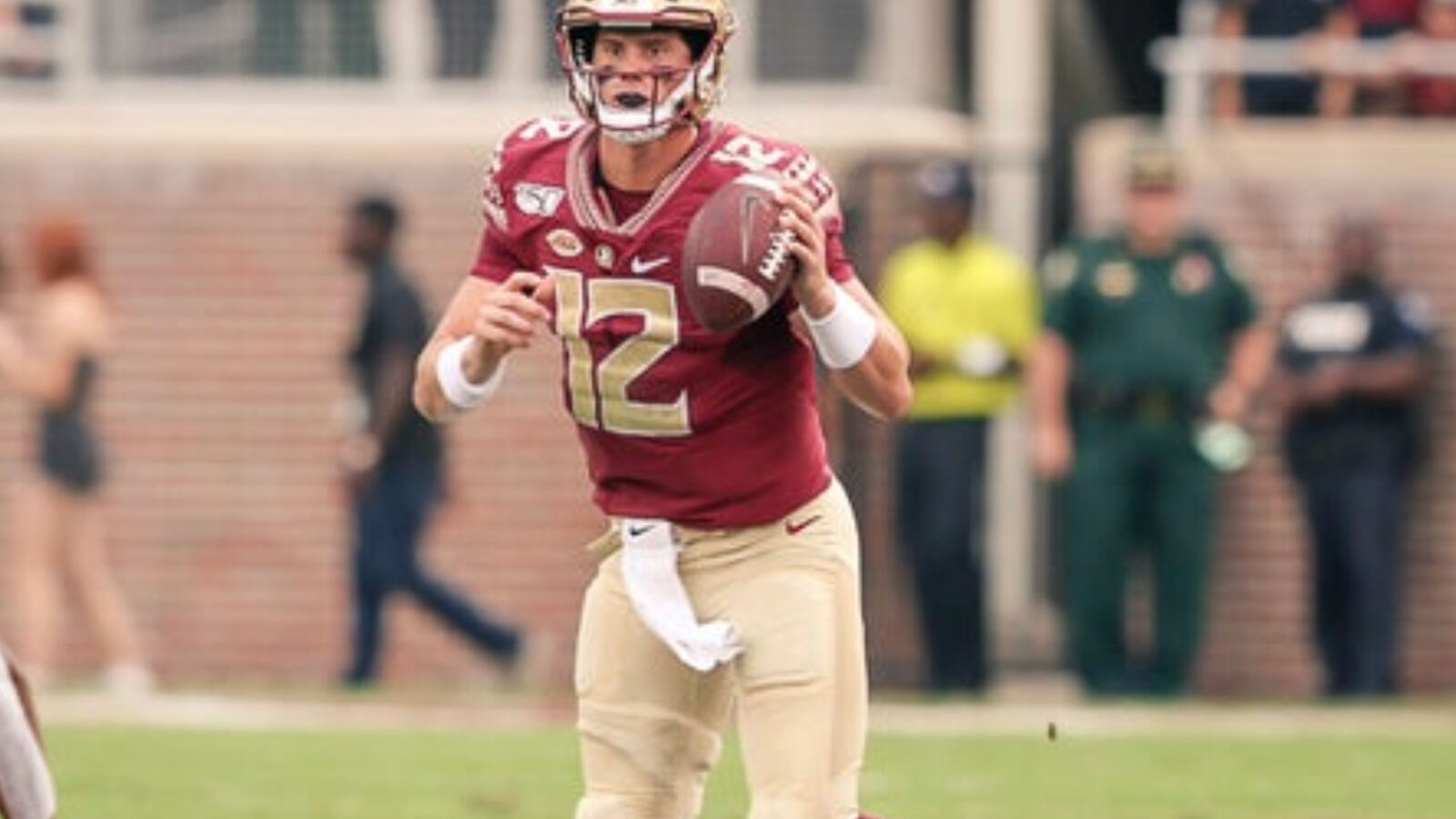
Roll out to the left or right, then set and throw on the move or after resetting. Practise both directions, as many passers are less comfortable rolling to one side.
5. Off-platform throws
Once basics are solid, throw from less ideal positions, such as after side-steps. Keep volumes modest; mechanics matter more than forcing difficult throws.
6. Distance ladder
Throw from three distances in a row: short, medium, longer. Only move back after hitting the target a set number of times. Move forward again after a miss.
7. Timing throws
With a partner calling "now" at random moments, release the ball as quickly as possible after the call. This simulates throwing with a defender closing in.
Sample 30-minute routine
| Block | Time | Focus |
|---|---|---|
| Warm-up | 8 min | Mobility, arm circles, short easy throws |
| Stationary accuracy | 6 min | One target, then others |
| Footwork throws | 8 min | Drop-back, rollouts |
| Pressure games | 5 min | Target call, timing throws |
| Cool-down | 3 min | Easy throws, stretching |
Look after the throwing arm
Throwing volume adds up quickly when a net returns or holds every ball. Warm up properly, build volume gradually, take rest days and stop if there is pain. For young throwers, follow any pitch or throw count guidance from their coach or league, and get professional advice for any ongoing discomfort.
Mixing in other targets
If you have space, combine the QB net with other setups:
- A multi-sport practice net can serve as a backstop for several sports.
- Kids' target games are a fun way for younger players to start throwing at targets.
Frequently asked questions
How far away should a young quarterback throw from?
Start close enough that the passer can hit the target with good mechanics, then move back gradually. Distance should increase only when accuracy stays consistent.
Can I use a QB net indoors?
Some nets are compact enough for large indoor spaces, but footballs travel fast and can bounce unexpectedly. Make sure there is plenty of clearance and nothing breakable nearby.
What ball size should I use?
Use the ball size recommended for the player's age group by their league. A ball that is too big can hurt mechanics.
Do target nets work with footballs and other balls?
Many nets are sold as multi-sport. Check the pocket and mesh sizes in the listing to make sure they suit a football.
Ready to set up your practice space?
Browse rugby kicking nets and compare sizes on AliExpress.
Some links on this page are affiliate links to AliExpress. If you buy through them we may earn a small commission at no extra cost to you. We don’t test or endorse individual listings, so always check the seller, sizes and return policy. Learn more.