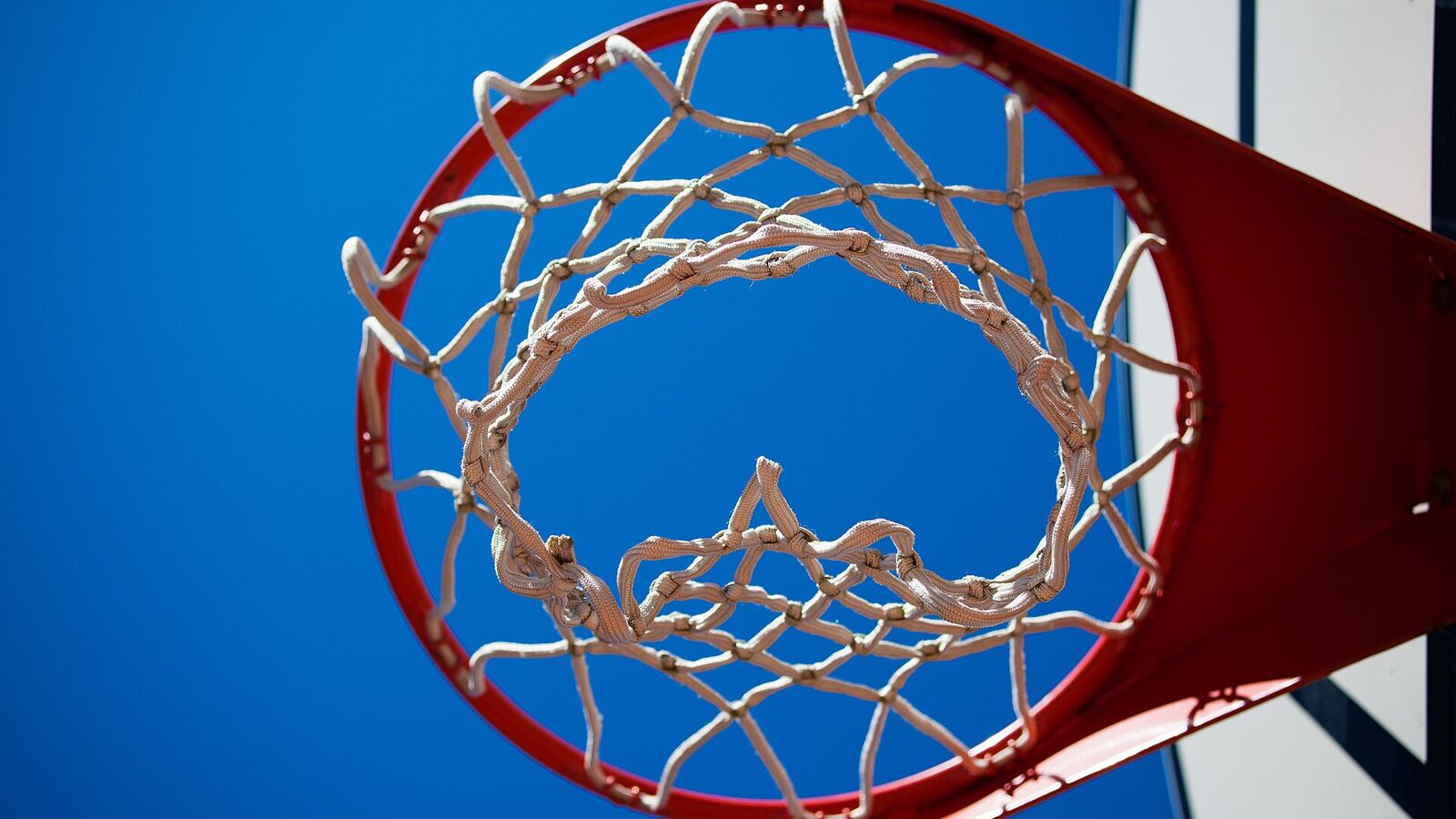
A basketball return net is a simple idea: a net that catches made shots (and many misses) and sends the ball back toward the shooter. If you practise alone, it can change your session completely. Instead of spending half your time running after the ball, you spend it shooting. More repetitions with good form is how most players build a reliable shot, and a return net is one of the easiest ways to get there at home.
This guide explains the main types of return nets, how to fit one to your hoop, and some solo shooting drills that make good use of it.
How a basketball return net works
Most return systems use a funnel of netting attached around the rim or backboard. The ball drops through the hoop (or bounces off the rim) into the netting, which slopes down to a chute. The chute points the ball out toward a spot on the court.
There are a few common styles:
- Rim-mounted funnels. A small net or chute that clips under the rim. Compact and quick to fit, but it mainly returns made shots.
- Large catch nets. A wider net that hangs around the backboard and extends out to the sides, catching misses as well as makes.
- Freestanding return systems. A separate frame that sits under the hoop and does not attach to it. These are usually the most stable but take up more space.
- Rotating chutes. Some designs let you turn the chute to send the ball to different spots, so you can practise from more than one angle.
Which one makes sense depends on your hoop, your space and how much of the ball you want caught.
Fitting a return net to your hoop
Before buying, measure your setup. Things to check:
- Rim and backboard size. Listings usually say which rim diameter and backboard widths they fit. Compare these with your own hoop.
- Mounting method. Clamps, straps and hooks all appear. Check the listing photos to see how the net attaches, and whether it suits a fixed, wall-mounted or portable hoop.
- Hoop height. Regulation rim height is 10 feet (3.05 m). If you use a lower adjustable hoop for younger players, make sure the return net still has room to hang and angle the ball correctly.
- Space in front of the hoop. The chute needs a clear path out onto the court. A driveway that slopes toward the road may roll balls further than you expect.
If the listing does not show clear measurements, ask the seller before ordering. Our AliExpress buying checklist covers what else to look at.
What to look for in the netting
Return nets take a lot of hits from a heavy ball, so the netting matters:
- Mesh size should be well under the ball's size so it can't push through. Our guide on net mesh size explains how mesh is measured.
- Material affects how the net copes with sun and rain. If the hoop lives outdoors, read our guide to sports net materials and look for UV-treated netting.
- Frame tubes and joints should feel solid in the photos and reviews, with no obvious weak points where the net is tensioned.
Solo shooting drills with a return net
A return net works best with drills that keep you moving and counting. Track makes out of attempts so you can see progress over time.
Form shooting close to the rim
Stand a step or two from the hoop and shoot one-handed with good form. The ball comes back quickly, so you can get a high number of short shots in a few minutes. This is a good warm-up for every session.
Spot shooting
Pick five spots around the arc at a comfortable range. Take ten shots from each spot and write down how many you make. If your return chute rotates, point it at each spot as you move.
Free throw routine
Free throws are a perfect fit for a return net because you shoot from one spot. Use the same routine every time: same dribbles, same breath, same release. Shoot in sets of ten and record the score.
Catch-and-shoot
Stand where the chute delivers the ball. Catch, set your feet and shoot in one motion. This builds the quick release you need when receiving a pass in games.
Move-and-shoot
Start at one spot, shoot, then move to a new spot as the ball returns. The return net's timing forces you to get set quickly, which adds some game-like pressure.
Pressure sets
Finish with a target: make five in a row from a spot before you move on, or make a certain number from the free throw line before you stop. Pressure sets help build focus when you are tired.
Getting more out of each session
- Warm up first. A few minutes of light movement and close-range shots can help prepare your body before longer shots.
- Keep a log. Write down makes and attempts per drill. Numbers show improvement more honestly than how a session felt.
- Focus on form over volume. Fast repetitions are only useful if your mechanics hold up. Slow down when your shot starts to break down.
- Rest when needed. Shooting hundreds of shots in one go can tire your shoulders and wrists. Short, regular sessions often work better.
Setup and safety
Return nets add weight and leverage to a hoop, especially in wind. Check that a portable hoop's base is filled and stable before attaching anything, and take large catch nets down or roll them up in storms. Our guide on anchoring practice nets in wind has tips that apply to freestanding return systems too.
Keep the area under the hoop clear of bikes, toys and pets, and supervise younger children around adjustable hoops. When the season ends, store the netting out of the sun to help it last longer; see our net care and UV guide.
Frequently asked questions
Do basketball return nets catch missed shots?
It depends on the design. Small rim-mounted funnels mainly return made shots, while larger catch nets around the backboard are designed to catch many misses as well. No net catches every miss, especially long rebounds off the rim.
Will a return net fit any basketball hoop?
Not always. Listings usually state which rim sizes and backboard widths they fit, and how they attach. Measure your hoop and compare it with the listing before ordering.
Can I use a return net on a lowered hoop for kids?
Often yes, as long as there is enough space under the rim for the net to hang and angle the ball out. Check the net's drop height in the listing.
How many shots should I take in a session?
There is no single right number. Many players focus on a set number of quality shots with good form, then record makes and attempts. Stop or rest when your form starts to slip.
Should I leave the return net up all year?
You can, but sun, wind and rain all wear netting over time. Taking it down in bad weather and over long breaks can help it last longer.
Ready to set up your practice space?
Browse basketball return nets and compare sizes on AliExpress.
Some links on this page are affiliate links to AliExpress. If you buy through them we may earn a small commission at no extra cost to you. We don’t test or endorse individual listings, so always check the seller, sizes and return policy. Learn more.